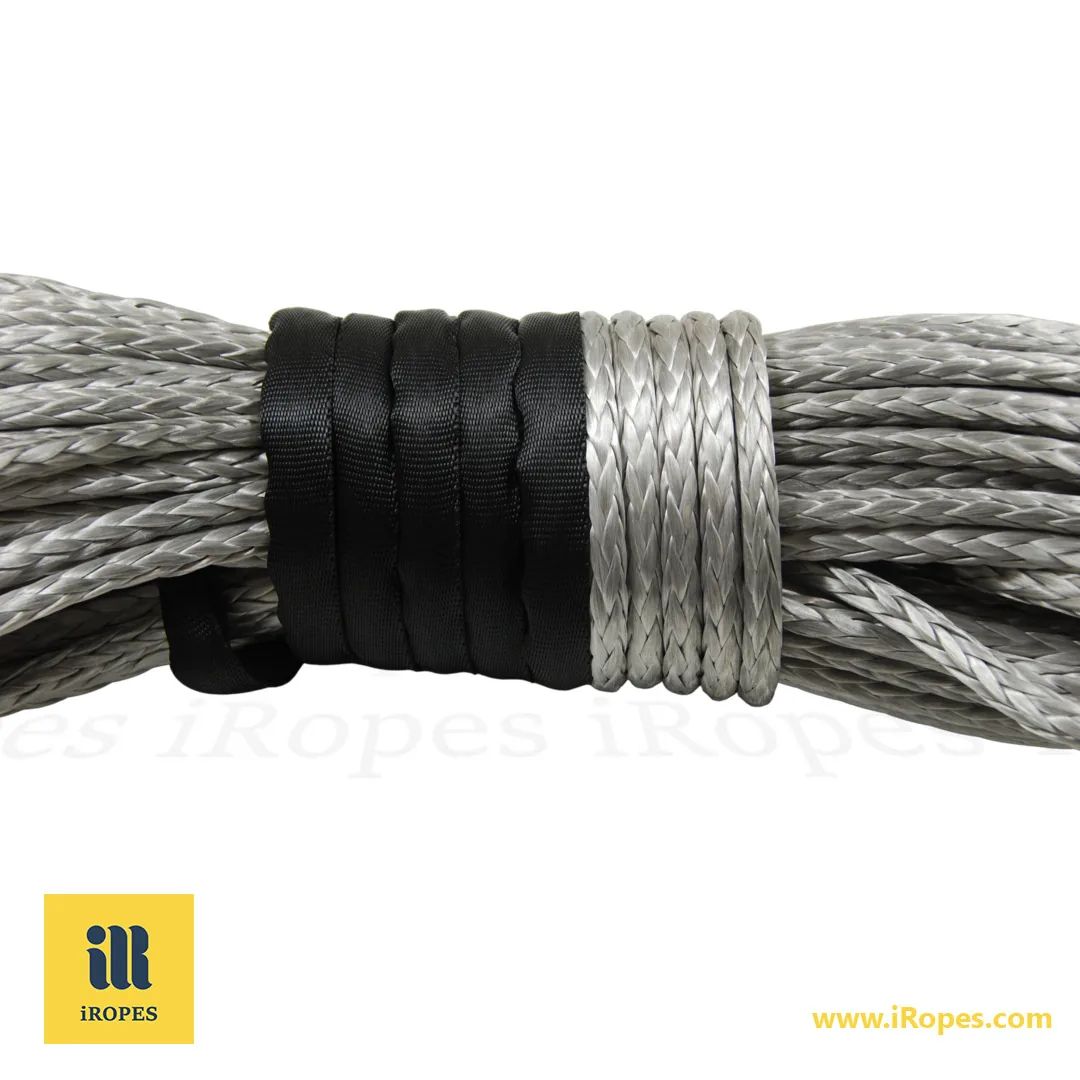
½‑in black double‑braid nylon rope breaks at 7 800 lb, giving a 1 560 lb safe load.
Key gains – ~8 min
- ✓ Exact break strength per size (½‑in = 7 800 lb).
- ✓ Instant 20% safe‑working‑load calculation.
- ✓ Custom OEM/ODM (original equipment/design manufacturer) options shorten lead times.
Most boat owners assume any rope will hold, yet many off‑the‑shelf lines lose strength unnoticed—until they snap. Discover the data‑driven method iRopes uses to verify capacity and tailor your rope, applying the 20% safety factor to reduce risk and improve reliability.
Understanding black double braided nylon rope for marine applications
After reviewing the growing demand for robust marine lines, it’s time to dive into what makes a black double braided nylon rope the go‑to choice for boaters and off‑road adventurers alike. At its core, this rope consists of a braided nylon core wrapped in an outer braided sheath, delivering a balance of high tensile strength and flexible handling that single‑braid or twisted ropes can’t match.

The deep black colour isn’t just an aesthetic preference. In a salty environment, darker pigments help with UV resistance, slowing fibre degradation under relentless sunlight. Moreover, black hides surface scuffs and chalky deposits, so docks look tidier between scheduled inspections. For a busy berth, a rope that blends in while staying strong is a practical win.
When you wonder “how much weight can a black double braided nylon rope hold?”, the answer hinges on diameter. A ½‑inch rope has a minimum breaking strength of about 7 800 lb, translating to a safe working load of around 1 560 lb when applying the industry‑standard 20% rule. This illustrates the dependable double braided nylon rope strength marine professionals rely on for securing vessels, towing gear, and reef‑line applications.
“During a weekend regatta, our ½‑inch black double braid never stretched beyond expectation, even when gusts hit 30 knots. It gave us confidence that the line would hold without sacrificing easy splicing.” – Senior deckhand, coastal sailing club.
Beyond raw strength, the rope’s construction drives its marine suitability. The braided nylon core shares load efficiently, while the outer sheath resists chafe against cleats and railings. This dual‑layer architecture also reduces torque, allowing a smooth run through winches and blocks—essential when manoeuvring a sailboat in tight berths.
Choosing a black braided nylon rope therefore means investing in a line that endures UV exposure, hides cosmetic wear, and delivers the dependable breaking strength needed for demanding offshore tasks. Whether you’re fitting a new dock line or replacing a sail‑control rope, the combination of material and colour creates a resilient solution that stands up to harsh marine conditions.
Key features of black braided nylon rope
Having clarified what makes a black double braided nylon rope ideal for marine work, let’s unpack the construction that turns a simple fibre bundle into a reliable dock‑line.

The core is a braided bundle of high‑tenacity nylon yarns engineered to share load and provide controlled elongation. Around that core sits a braided jacket, giving the rope a smooth, low‑torque surface that glides through blocks and winches without snagging.
Core Construction
The inner core uses high‑tenacity nylon yarns for strength and shock absorption, while the surrounding braid adds abrasion protection and a neat finish that reduces chafe on cleats.
When you compare this architecture to other rope types, the differences become clear.
- Solid‑braid (single layer) – lower tensile capacity and noticeable torque when run through a block.
- Twisted (lay) rope – flexible but prone to surface abrasion and higher stretch under load.
- Double‑braid (core + sheath) – combines high strength with torque‑free handling and easy splicing.
So, what is the difference between double‑braid and braided nylon rope? In short, a double‑braid rope features a distinct inner core wrapped by an outer braid, giving it superior load‑bearing ability and a smoother run, whereas a single‑braid rope is one layer of fibres with less strength and more twist.
Understanding these structural advantages sets the stage for the next step: measuring double braided nylon rope strength and matching it to your specific marine load requirements.
Assessing double braided nylon rope strength
Having explored the construction, it’s time to see how the numbers back up the claim that black double braided nylon rope delivers marine‑grade performance. Whether you are anchoring a cruiser or splicing a tow line, the strength data shows how much load the rope can tolerate.
- ½‑in – 7 800 lb breaking strength, 1 560 lb safe working load.
- 3/8‑in – 4 400 lb breaking strength, 880 lb safe working load.
- 5/8‑in – 12 200 lb breaking strength, 2 440 lb safe working load.
The industry‑standard 20% rule is the quick way to turn any breaking strength into a safe working load. Multiply the minimum breaking strength by 0.20; the result is the maximum load you should apply. For example, the ½‑inch black double braided nylon rope’s 7 800 lb break rating becomes a 1 560 lb safe working load (7 800 lb × 0.20 = 1 560 lb). This simple calculation answers the common query, “How do I calculate safe working load for a nylon rope?”
Always inspect the rope before each use; look for UV‑induced fading, frayed strands, or crushed cores. Replace any line that shows more than 10% loss in strength.
Beyond the three sizes highlighted, larger diameters follow the same pattern: a ¾‑inch rope breaks at roughly 17 350 lb, giving a 3 470 lb safe load, while a full‑inch line reaches 30 250 lb break and 6 050 lb safe load. These figures reinforce why black braided nylon rope remains the go‑to choice for demanding marine tasks.

When you match the rope’s minimum breaking strength (MBS) to your vessel’s displacement or your off‑road load, the calculation becomes a straightforward safety check. This data‑driven approach underpins reliable dock‑line setups, secure towing rigs, and any application where a failure would be costly.
Now that the strength metrics are clear, the next step is to look at how you can customise the rope, keep it in top condition, and place an order that fits your exact marine needs.
Customization, safety, and ordering guide for marine rope
Now that you know how the rope performs under load, let’s look at how you can shape it to suit your vessel, streamline upkeep, and get it shipped straight to the dock.
Length Flexibility
Order spools from 1 ft up to 600 ft, or specify a custom cut‑to‑size for permanent installations.
Termination Choices
Choose eye splices, soft‑eye loops, thimbles or specified knots – all finished in‑house with professional splicing.
Reflective Safety
Add high‑visibility reflective tracers or optional glow‑in‑the‑dark elements to help crew spot lines on busy docks.
Branding & Packaging
We can supply non‑branded or customer‑branded packaging with your logo on bags, colour boxes or plain cartons, with IP protection throughout the process.
When you request a custom order, simply tell us the required length, termination style and whether you need reflective detailing or branded packaging. Our OEM/ODM team confirms specifications, runs ISO 9001‑certified quality checks, and ships the finished pallets directly to your location worldwide.
Inspection Checklist
Quick visual audit before each sortie
UV fade
Look for colour loss or whitening; replace if the black hue appears washed out.
Surface abrasion
Run your fingers along the sheath; rough spots or exposed strands signal a swap.
Core compression
Press lightly between thumb and forefinger; a firm, uniform feel indicates an intact core.
Storage & Care
Extend service life on and off the water
Dry environment
Keep the rope in a ventilated locker away from direct salt spray when not in use.
Rotate periodically
Swap the outermost coil with an inner one every few months to distribute wear evenly.
Moisture check
If the rope feels damp, air‑dry it before the next launch to avoid hidden weakening.
Answering a common query, you can request a custom colour or a reflective tracer on the black braided nylon rope – just indicate the requirement in the spec sheet. Likewise, inspect your line before each outing; a quick visual and tactile check every time you set off keeps safety margins intact.

Ready to secure your vessel with a rope that matches both performance and brand identity? Explore our customization options, review our ISO 9001 certification, or learn why double‑braid nylon anchor rope is superior for marine applications. Your next marine project starts with the right line – let iRopes engineer it for you.
The guide demonstrates why iRopes’ double‑braid nylon rope is very strong and durable for boating, marine, off‑road and sailing lines, with a braided core and a protective outer sheath that resist UV, abrasion and torque. When you need a line that blends the visual advantage of a black braided nylon rope with the load‑bearing capacity of a black double braided nylon rope, the measured double braided nylon rope strength confirms its suitability for heavy‑load dock lines and offshore tasks. Pair that performance with iRopes’ ISO 9001‑backed quality assurance, OEM/ODM customisation, and IP‑protected packaging for a complete, wholesale‑ready solution.
Get a personalised rope solution
For a custom quote, technical advice, or help selecting the perfect rope for your marine project, simply complete the form above and our specialists will be in touch.